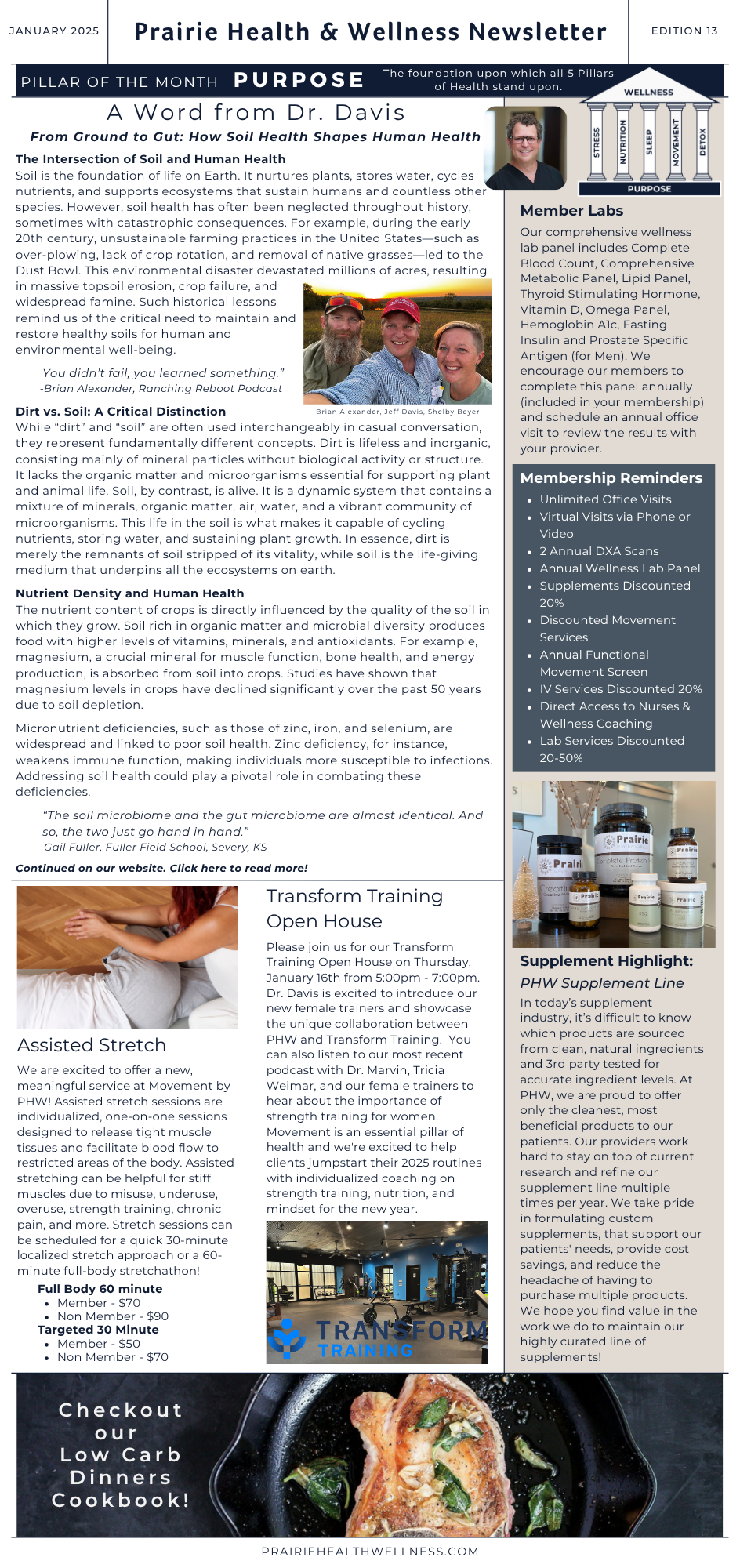

A Word from Dr. Williams
The Effects of Alcohol and "Dry January"

The holiday season brings joy, celebration, and plenty of opportunities to raise a glass. For many people, November and December are months when alcohol quietly becomes part of more meals, more social events, and more end-of-day unwinding. By the time January arrives, it's common to feel a little foggy, sluggish, or simply less vital. That's why "Dry January" has gained traction over the past decade—it offers a chance to reset, reflect, and start the year feeling clearer and more in control. In fact, a 2022 study found that participants reported numerous benefits from Dry January, including financial savings (63%), improved sleep (56%), increased energy (52%), better overall health (50%), and weight loss (38%) (de Ternay et al., 2022).
Dry January, or any period of alcohol abstinence, offers an opportunity to better understand alcohol's effects on the body and can motivate meaningful change. When we see the physiological effects clearly, even small shifts in drinking habits start to make sense, not as punishment or deprivation, but as an act of self-support.
At the most basic level, the body quite literally treats alcohol as a toxin. Once swallowed, ethanol is rapidly absorbed and sent to the liver for processing. There, enzymes convert it into acetaldehyde, a highly reactive compound responsible for much of the flushing, nausea, headaches, and inflammation associated with drinking. Only after that does the body turn acetaldehyde into acetate, a form it can break down and use and eventually eliminate. The middle step of this process is the one that does the most damage. It's also why there really is no supplement or quick remedy that can "detox" alcohol from your system, which means your liver is the one doing all of the work.
The familiar "buzz" that people feel after a drink or two comes from alcohol's impact on brain chemistry, which enhances calming GABA signals and suppresses stimulating glutamate. But these effects are short-lived. While it may momentarily feel relaxing, its long-term impact often includes worsened anxiety, low mood, and increased emotional volatility. Some of this comes from disrupted sleep, some of it from the body's stress-hormone response, and also some from the body's reduced ability to carry out other important biological processes due to alcohol detox being the main priority of the moment. Patients who drink to manage stress are often surprised at how much calmer and more grounded they feel after reducing or pausing their intake.
The GABA/Glutamate effects are also why it can often feel easier to fall asleep after drinking. However, as the night goes on, the neurotransmitters rebound, often causing increased alertness, nighttime awakenings, and a racing heart. Alcohol can certainly help you fall asleep quickly, but it fragments the second half of the night and suppresses REM sleep, the phase that supports memory consolidation, emotional resilience, and mental clarity. Matthew Walker, author of Why We Sleep: Unlocking the Power of Sleep and Dreams, states, "Alcohol is one of the most powerful suppressors of REM sleep that we know of" (2017). I have found that patients report even one night of drinking can affect them for several days. Many people who drink regularly tend to notice that they sleep better and wake up feeling more rested after just a week or two without alcohol.
The metabolic effects of alcohol are equally important. At seven calories per gram, alcohol contains almost twice the calories per gram of carbs or protein, with none of the satiety or nutritional value (aka empty calories). It also alters blood sugar regulation and encourages fat storage, especially around the abdomen. This is how alcohol can quietly sabotage weight goals, even without overeating. For people with insulin resistance, prediabetes, PCOS, or fatty liver disease, even modest reductions in alcohol can lead to measurable improvements in labs and other metrics.
And then there are the long-term risks—the ones we tend to avoid thinking about. Updated research shows that even low to moderate drinking increases the risk of cardiovascular disease and all-cause mortality, including several cancers (i.e. breast and colorectal). Much of the early messaging about "heart-healthy" moderate drinking has been revised as newer, more rigorous studies have controlled for lifestyle confounders. The consensus now is clear: when it comes to alcohol and long-term health, less is better, and none is best.
Of course, none of this means that eliminating alcohol is the only path to better health. Change doesn't have to be all or nothing. In fact, it rarely is. A helpful framework is to remember that there is good → better → best. Reducing how often is good. That, plus reducing the quantity on occasions that you drink, is better. And full abstinence is best for restoring mood, sleep, metabolism, and liver function. For those who choose to drink, selecting "cleaner" options such as organic or biodynamic wines, dry wines with lower sugar, clear spirits without sugary mixers, or drinks without artificial additives is a meaningful upgrade. These choices don't remove the negative effects of the alcohol itself, but they can reduce exposure to additional toxins that worsen inflammation, hangovers, metabolic effects, and other negative effects.
Many people who stop drinking discover that they miss the ritual more than the alcohol itself. Replacing the ritual of drinking with something satisfying also makes a tremendous difference. Sparkling water with citrus, alcohol-free wines and beers (they've gotten better over the years!), botanical mocktails (without added sugars), or calming herbal teas can recreate the experience of relaxing without the biological consequences.
Ultimately, Dry January is less about deprivation and more about discovery. It's a chance to observe how your body feels with less alcohol: clearer mornings, more stable moods, deeper sleep, better workouts, healthier skin, and improved metabolism. Even small reductions make a real difference, and every step toward "less" supports your long-term health. The goal doesn't need to be perfection—it's awareness, choice, and feeling better in your own body.
*It's also an important caveat to note that if someone drinks heavily every day, stopping abruptly can be dangerous and sometimes even life-threatening. Anyone in that situation should consult a healthcare professional before attempting to cut back or quit. A medical provider can help assess withdrawal risk, create a safe tapering or detox plan.
If you'd like to explore the effects of alcohol in more depth, or you're simply curious about what the research says, the following resources, also linked below, offer approachable, evidence-based information:
Recommended Resources
- Podcast: The Huberman Lab – "Alcohol & Your Health" — A clear, science-forward look at how alcohol affects the brain, sleep, mood, and long-term health.
- Book: This Naked Mind by Annie Grace — A highly readable guide to understanding alcohol's effects and reshaping habits.
- Book: Alcohol Explained by William Porter — A simple, science-informed explanation of what alcohol does in the body and why dependence develops.

Check out our Whole30 Cookbook!
View Here →Pillar of the Month: Purpose
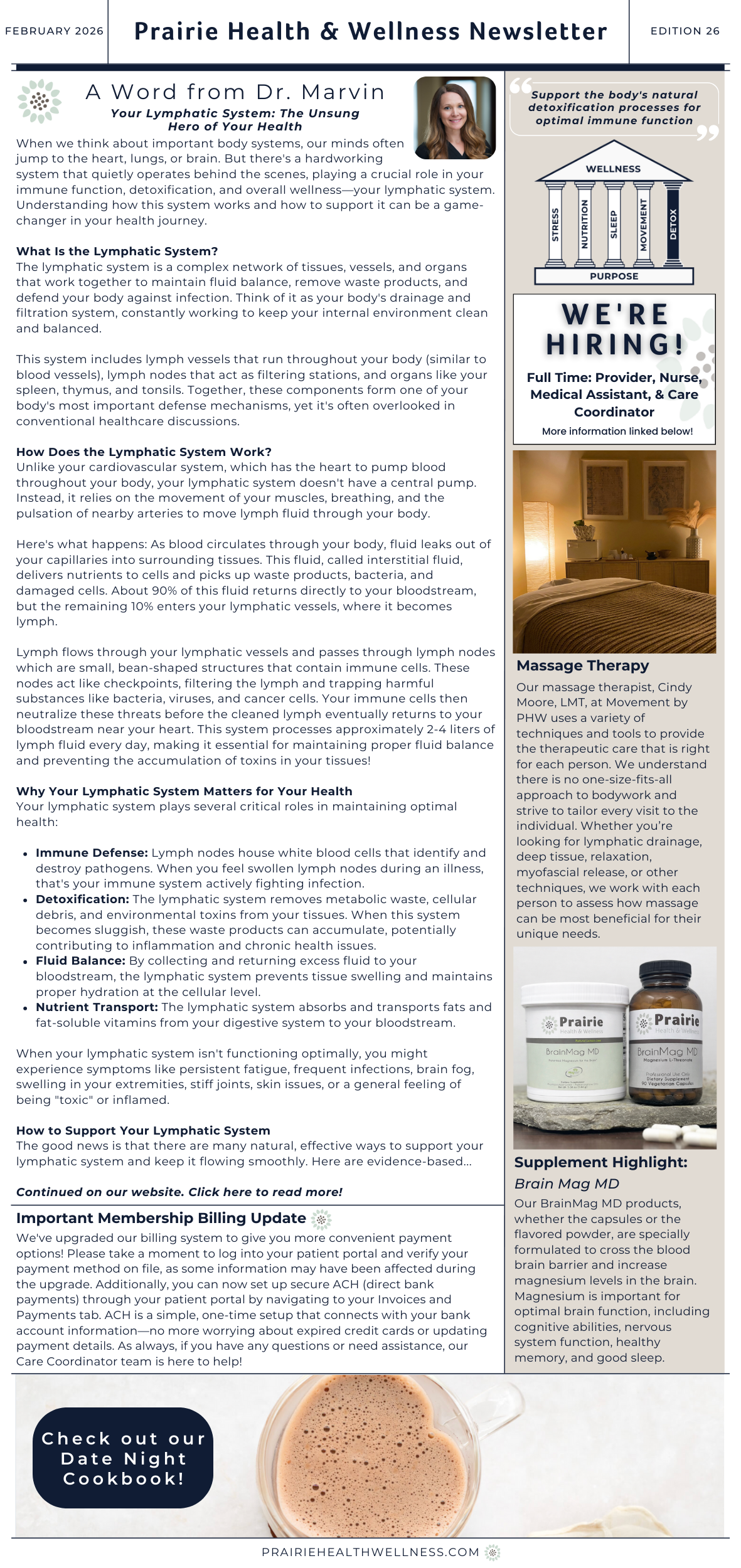
"The foundation upon which all 5 Pillars of Health stand upon."

Member Labs Overview
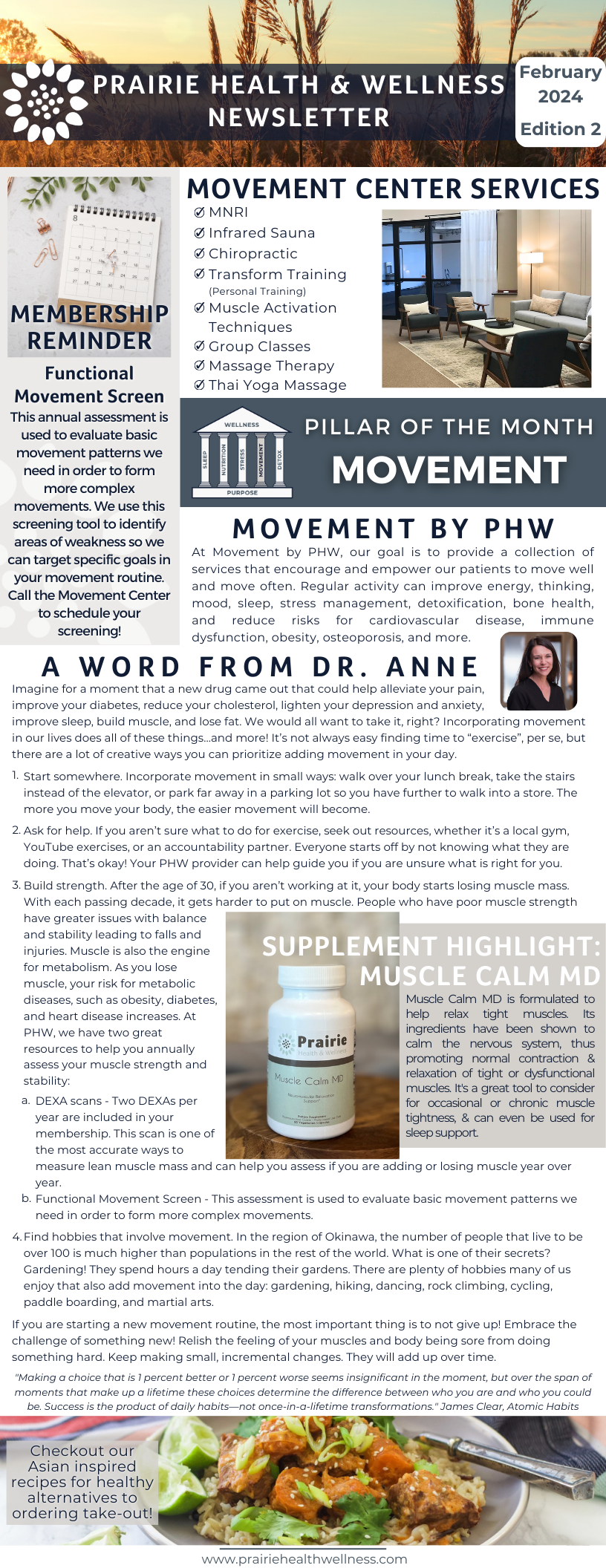
Our comprehensive wellness lab panel includes Complete Blood Count, Comprehensive Metabolic Panel, Lipid Panel, Thyroid Stimulating Hormone, Vitamin D, Omega Panel, Hemoglobin A1c, Fasting Insulin and Prostate Specific Antigen (for Men). We encourage our members to complete this panel annually (included in your membership) and schedule an annual office visit to review the results with your provider.
Membership Reminders
- Unlimited Office Visits
- Virtual Visits via Phone or Video
- 2 Annual DXA Scans
- Annual Wellness Lab Panel
- Supplements Discounted 20%
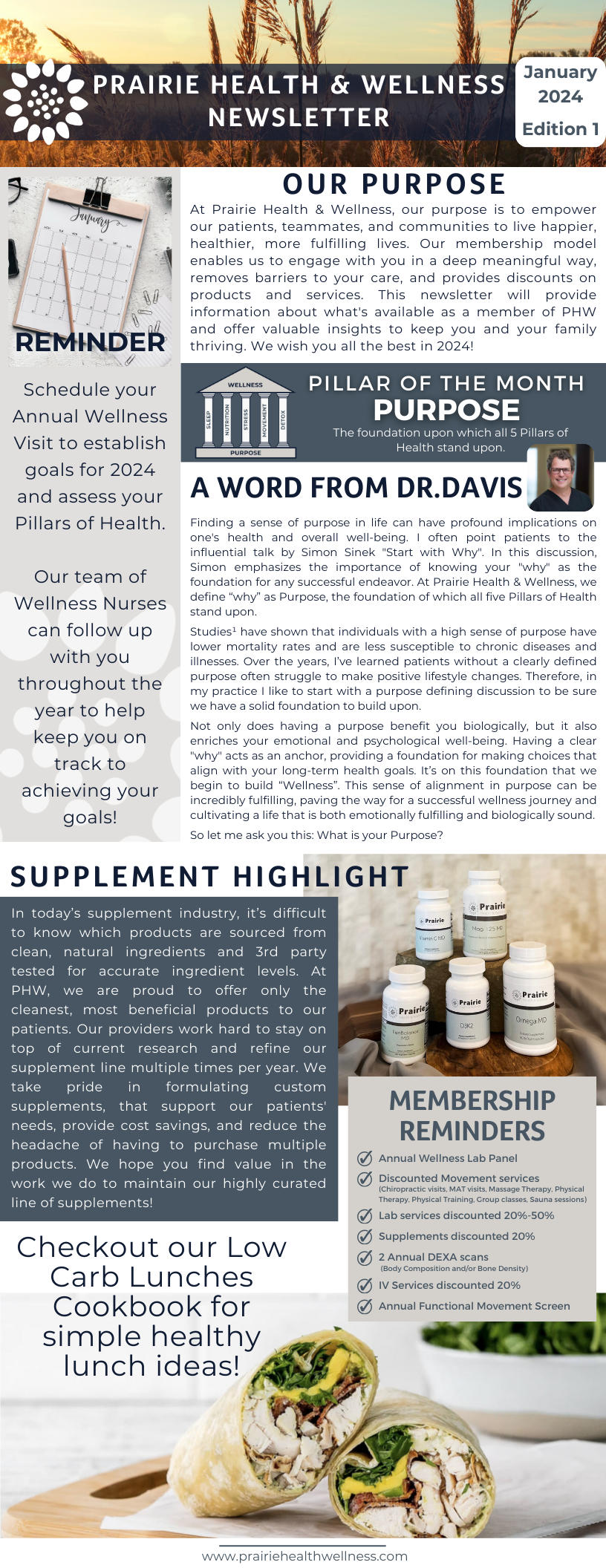
- Discounted Movement Services
- Annual Functional Movement Screen
- IV Services Discounted 20%
- Direct Access to Nurses & Wellness Coaching
- Lab Services Discounted 20–50%

Supplement Highlight:
PHW Supplement Line
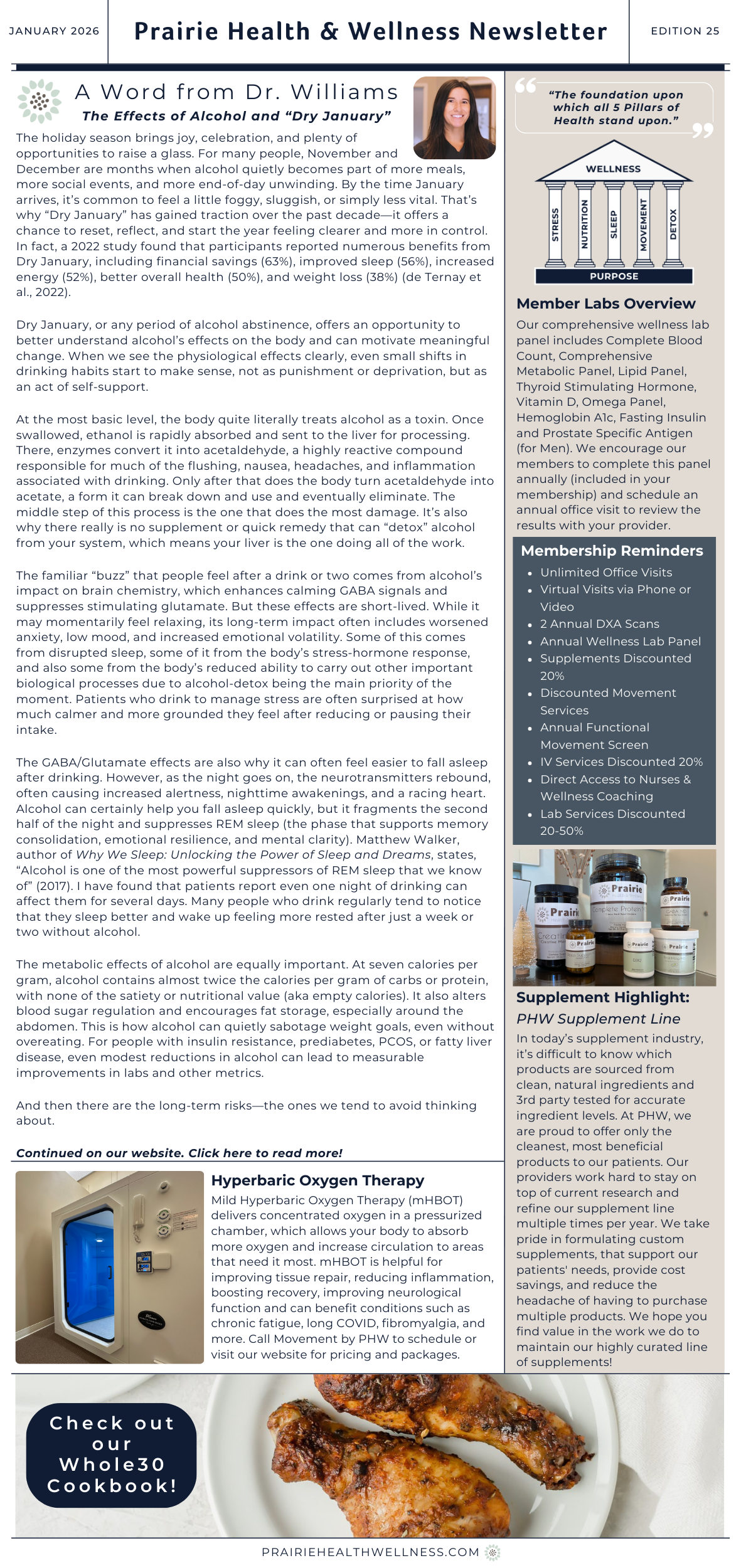
In today's supplement industry, it's difficult to know which products are sourced from clean, natural ingredients and 3rd party tested for accurate ingredient levels. At PHW, we are proud to offer only the cleanest, most beneficial products to our patients. Our providers work hard to stay on top of current research and refine our supplement line multiple times per year. We take pride in formulating custom supplements that support our patients' needs, provide cost savings, and reduce the headache of having to purchase multiple products. We hope you find value in the work we do to maintain our highly curated line of supplements!
Shop Our Store →
Hyperbaric Oxygen Therapy
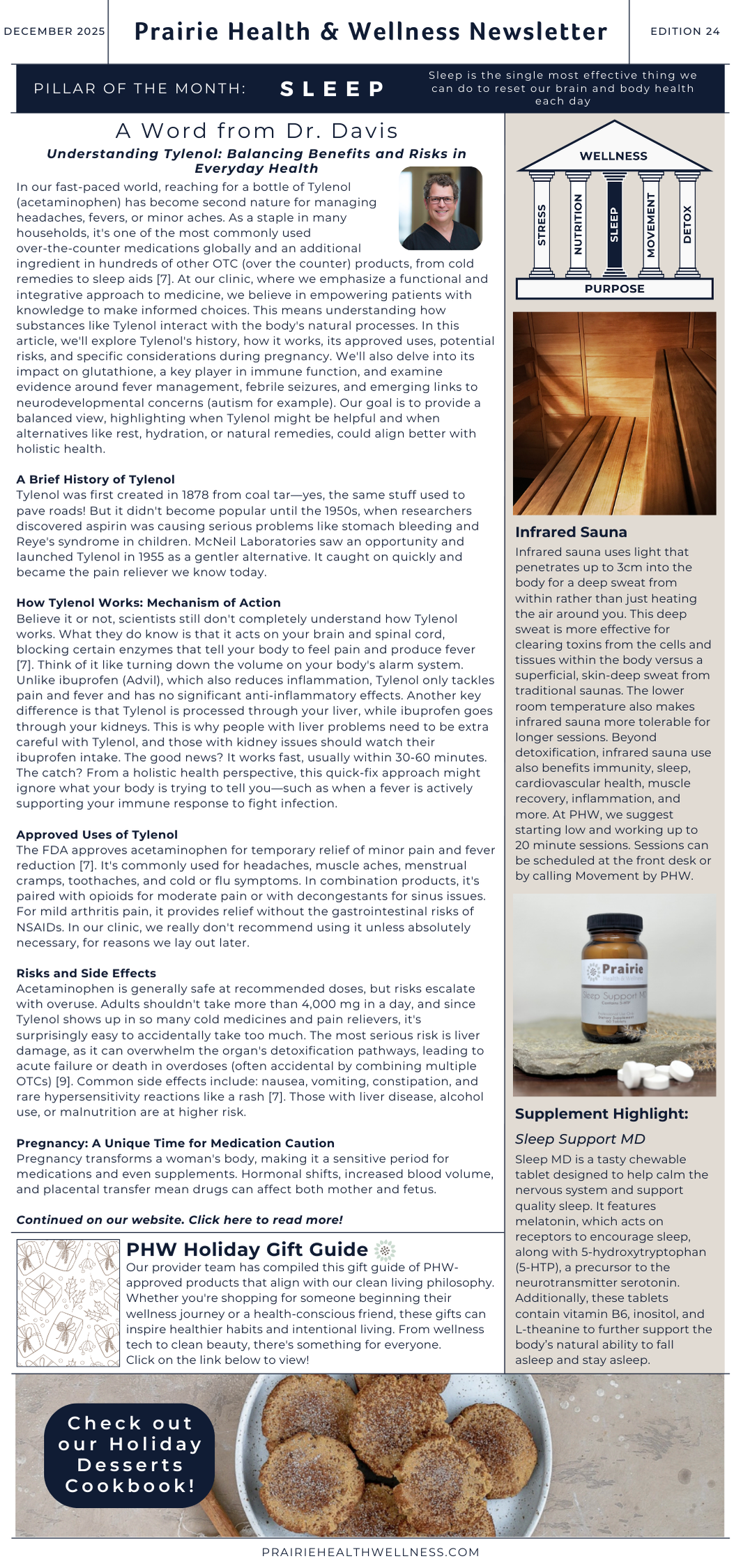
Mild Hyperbaric Oxygen Therapy (mHBOT) delivers concentrated oxygen in a pressurized chamber, which allows your body to absorb more oxygen and increase circulation to areas that need it most. mHBOT is helpful for improving tissue repair, reducing inflammation, boosting recovery, improving neurological function and can benefit conditions such as chronic fatigue, long COVID, fibromyalgia, and more. Call Movement by PHW to schedule or visit our website for pricing and packages.
Learn More →References
Attia, P. (2025, December 2). Alcohol and healthspan: Knowing the risks and how to mitigate them.
Boden, J. M., & Fergusson, D. M. (2011). Alcohol and depression. Addiction (Abingdon, England), 106(5), 906–914.
Colrain, I. M., Turlington, S., & Baker, F. C. (2009). Impact of alcoholism on sleep architecture and EEG power spectra in men and women. Sleep, 32(10), 1341–1352.
de Ternay, J., Leblanc, P., Michel, P., Benyamina, A., Naassila, M., & Rolland, B. (2022). One-month alcohol abstinence national campaigns: a scoping review of the harm reduction benefits. Harm reduction journal, 19(1), 24.
Huberman, A. [Huberman Lab]. (2022, August 22). What alcohol does to your body, brain & health [Video]. YouTube.
Walker, M. (2017). Why we sleep: Unlocking the power of sleep and dreams. Scribner.
View additional newsletter editions below.