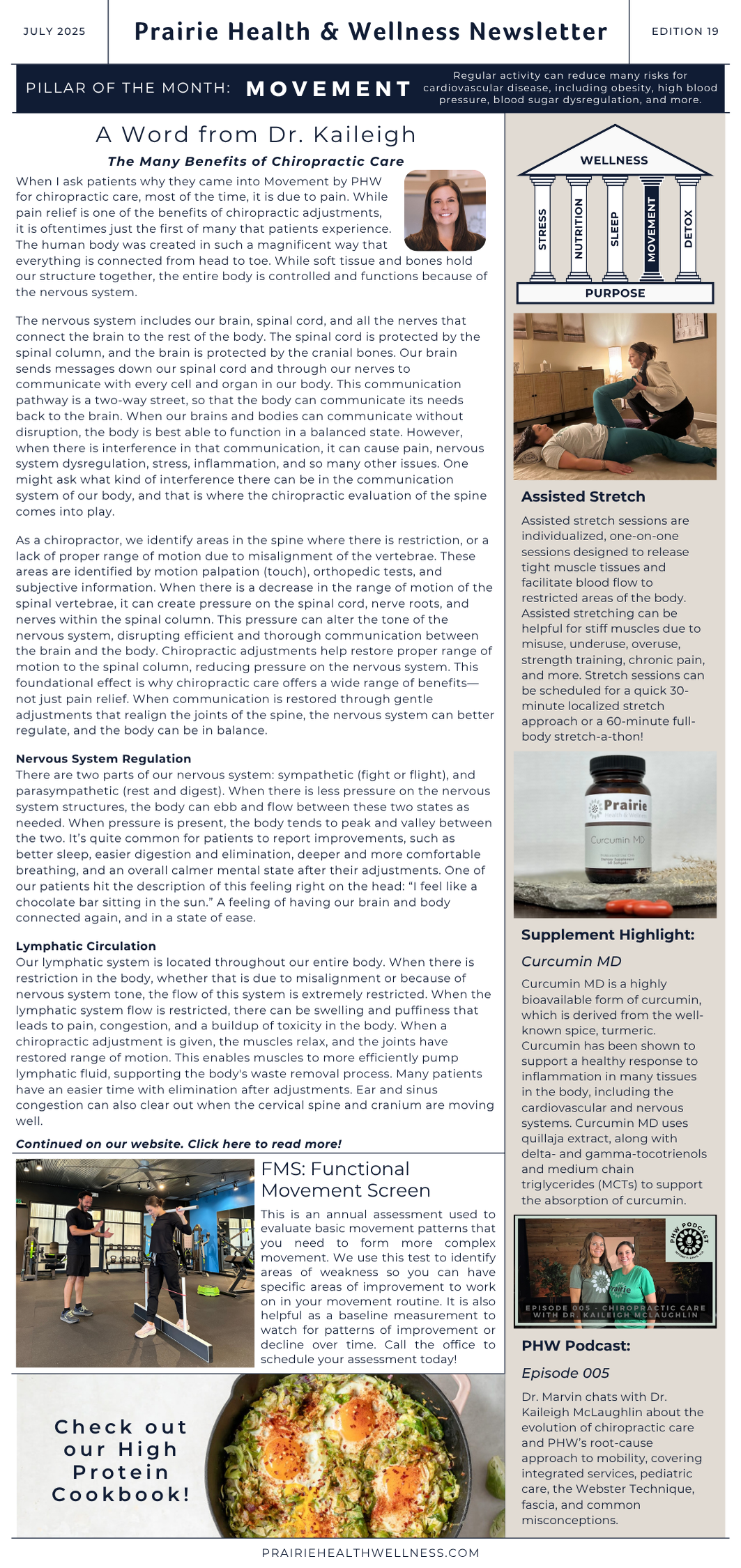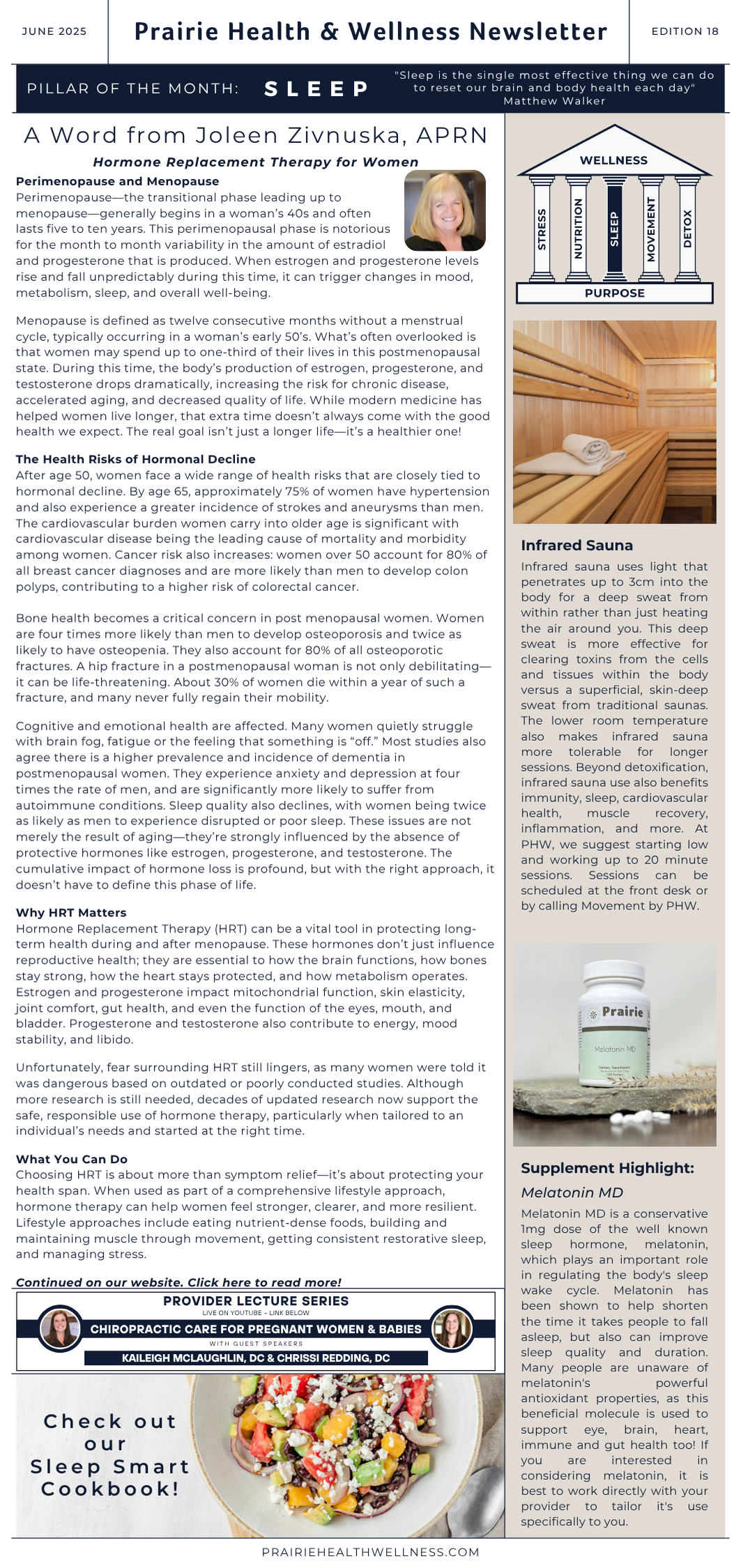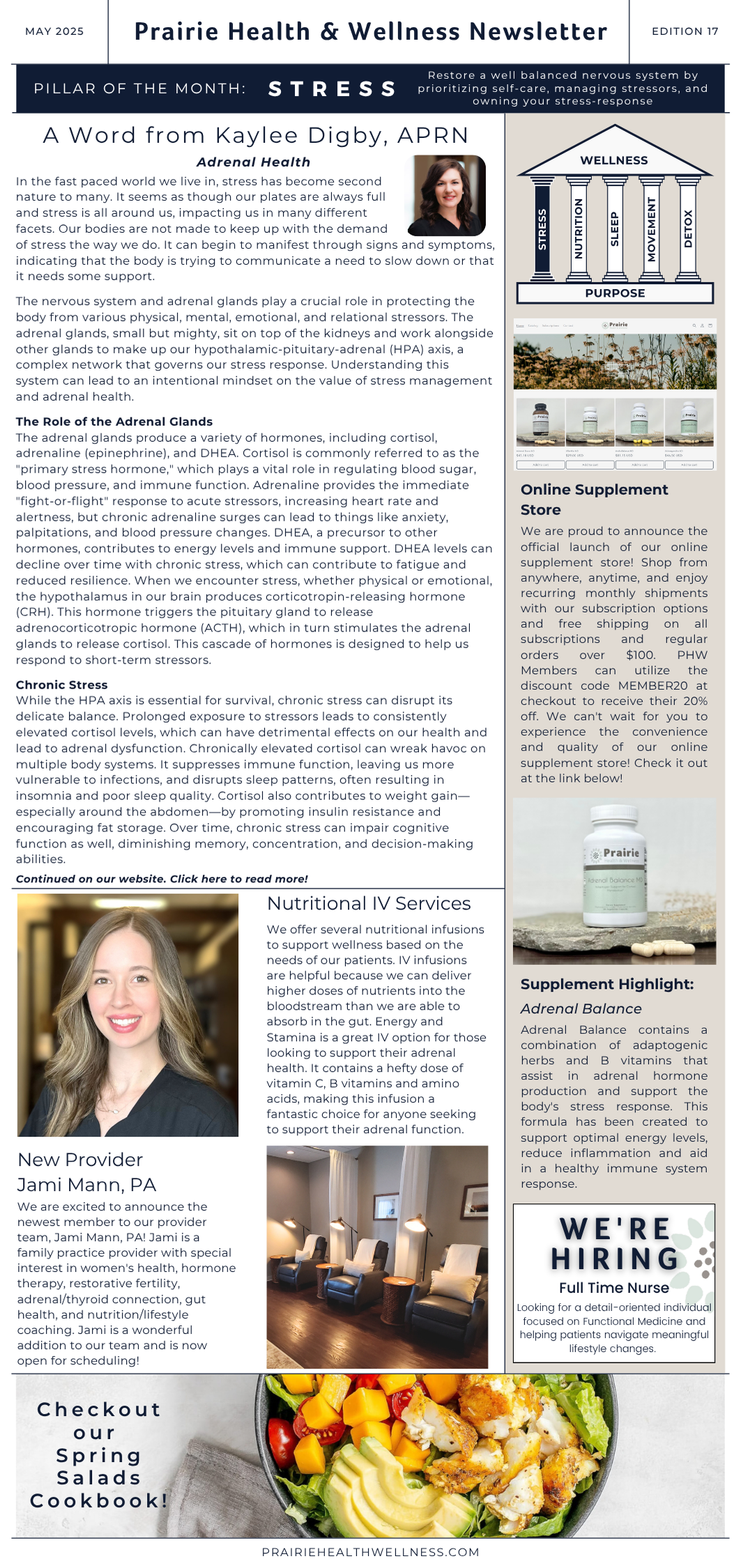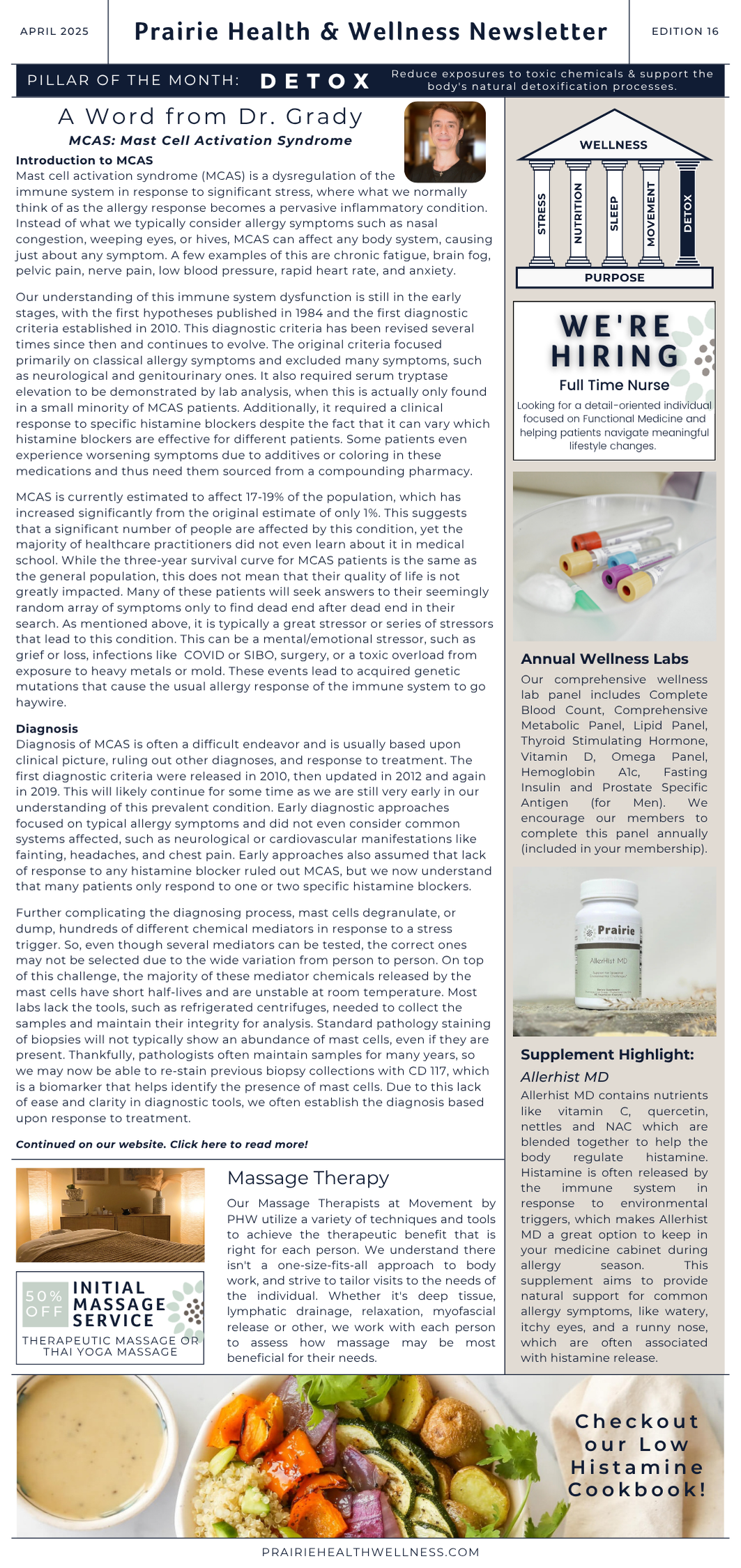


Just as we use annual labs to establish a baseline for your metabolic health, the FMS establishes a baseline for how your body moves, giving us a reference point we can return to year after year to track whether you’re maintaining, improving, or quietly losing ground in ways that may not have shown up as symptoms yet.
What Is the Functional Movement Screen?
The FMS is a movement-based, standardized screen that evaluates three key qualities in how your body moves: mobility, stability, and motor control. We use standardized equipment and measurements to observe how you perform seven fundamental movement patterns: the deep squat, hurdle step, inline lunge, shoulder mobility, active straight-leg raise, trunk stability push-up, and rotary stability.
You receive a score from 0 to 3 for each pattern based on how smooth, even, and controlled the movement looks on both sides of your body, for a total possible score of 21. The point isn’t to test your fitness level. It’s to see how well your whole body works together and to catch the small imbalances that quietly accumulate long before they become a problem.
Why Movement Quality Matters — At Every Age
Most people think about movement screening only when something hurts. But the better question is how well you’re moving before anything does.
Movement quality naturally shifts over time. Symmetry, mobility, and the ability to control your body through a full range of motion shape how you feel day to day, from your energy and posture to the ease of getting up, keeping up, and staying strong through the decades ahead. When movement patterns become uneven or restricted, the body compensates. A tight hip quietly overloads a knee. A stiff shoulder forces the low back to work harder. Over time, these compensations accumulate, often surfacing as chronic pain, recurring injuries, or a plateau in fitness that no amount of effort seems to fix.
From a chiropractic perspective, FMS scoring can help me understand why symptoms keep coming back. If I’m adjusting the same segment over and over, that points to a compensation upstream or downstream. Without seeing how a patient moves through the FMS patterns, we might keep chasing the symptom instead of getting to the root cause. One of the FMS screenings I find helpful is the deep squat. A limited squat may come from tight hips or a weak core, but oftentimes it’s the ankles. If the patient’s squat improves when we elevate the heel, that reveals the compensation and tells me the real issue is ankle mobility. Understanding where the body’s shortcomings are helps me tremendously as a provider when searching for the root cause of movement limitations.
Research supports the FMS as a clinically useful tool for identifying movement limitations and asymmetries. When those findings are paired with your health history, lifestyle, and other clinical data, they become a meaningful part of your broader picture.
The FMS helps us:
- Establish your movement baseline so we can track changes over time
- Identify asymmetries and restrictions before they compound into bigger problems
- Understand the root cause of a pain or performance pattern, not just the symptomatic area
- Connect movement findings with nutrition, stress, recovery, and your overall care plan
- Support your long-term mobility, resilience, and independence as you age
What to Expect During Your Screen
- Takes approximately 30 minutes
- Wear comfortable, athletic clothing that allows you to move freely
- Performed by a Movement Team Member using standardized equipment and measurements to score each movement pattern and note any pain or restriction
- Results are integrated with your broader health picture, including your intake history, lab work, and wellness goals
You’ll leave with a clear picture of what your body does well and where there’s room to improve along with practical next steps to guide your care.
A Whole-Person Approach
A movement screen alone doesn’t tell the whole story, but provides one more window into how your nervous system, musculoskeletal system, and metabolic health are all connected.
Whether you’re managing a chronic concern, optimizing your performance, or simply investing in how well you’ll move ten years from now, the FMS is an accessible tool to assess, address, and monitor your functional movement.
Ready to see how your body moves? Ask your provider about adding a Functional Movement Screen or call the Movement Center to schedule yours today.


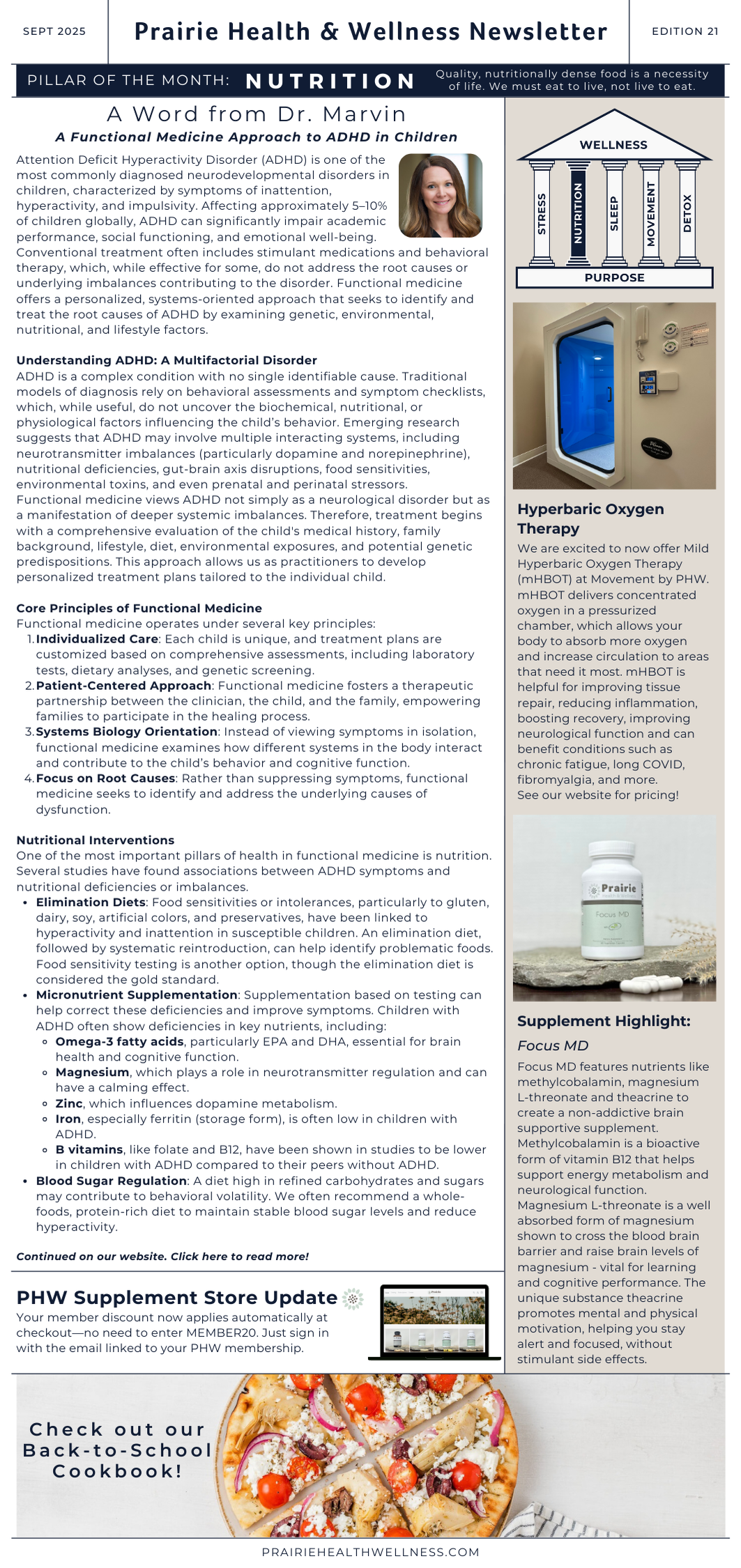
Check out our Back-to-School Breakfast Recipes!
It’s that time of year again! Inside this cookbook, you’ll find quick breakfast recipes to whip up in the morning or prep the night before for an easy grab-and-go option.
View Here →